Unlock Deep Flavor: The Power of Real German's Sweet Chocolate in German Chocolate Cake
There are some desserts that transcend mere sweetness to become a true experience, and a perfectly executed `german chocolate cake` is undoubtedly one of them. While many recipes claim the title, only those that embrace the authentic spirit—and ingredients—of this classic can truly deliver a deep, unforgettable flavor that leaves you utterly obsessed. The secret? It all begins with real Baker's German's Sweet Chocolate, the foundational ingredient that defines its unique character and elevates it from a good cake to an extraordinary masterpiece.
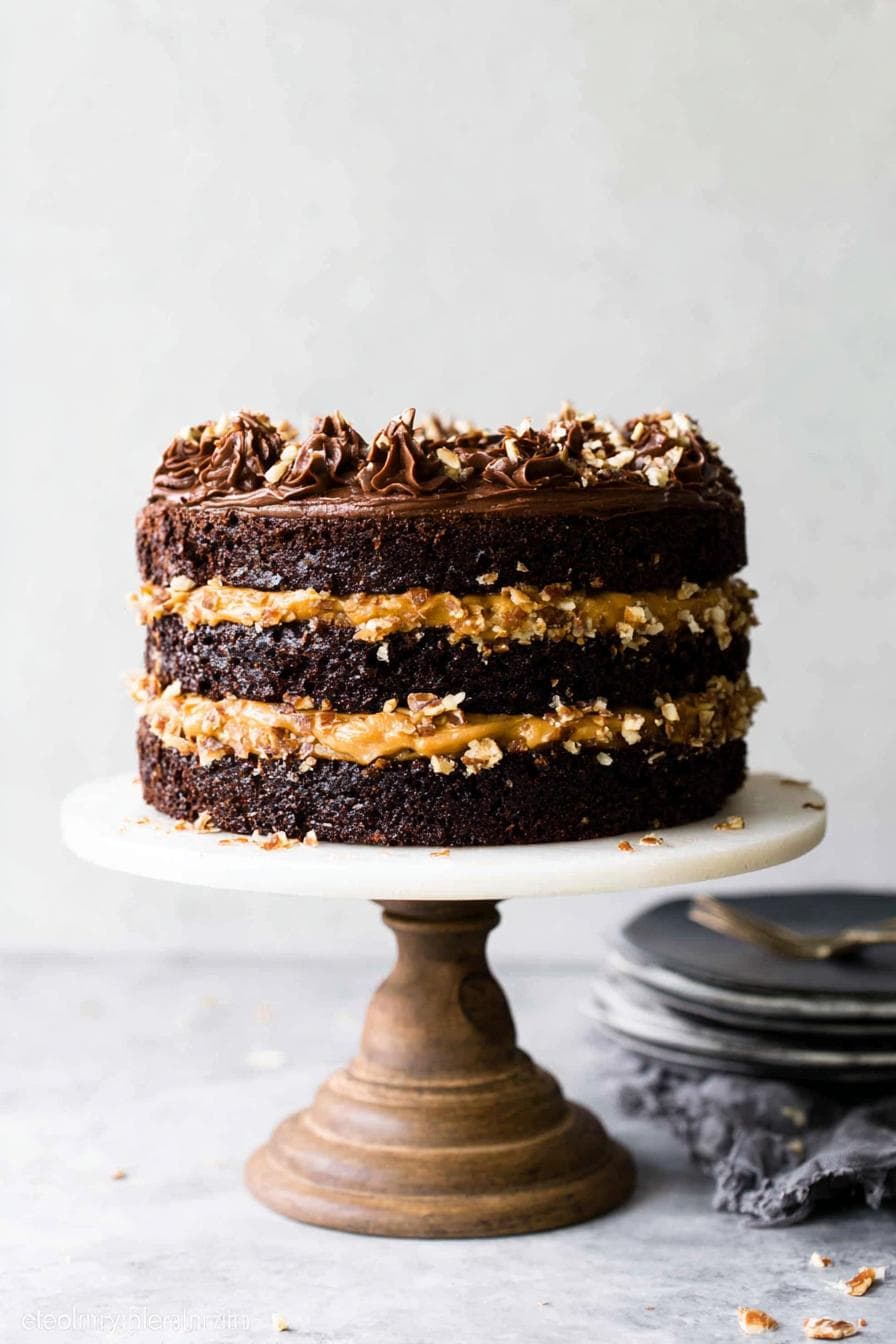
Imagine a slice: unbelievably moist, tender cake layers infused with a complex chocolate taste, cradling a rich, gooey coconut-pecan filling, and often complemented by a silky chocolate buttercream. Every element plays a crucial role, but at the heart of this symphony of textures and flavors lies the distinct profile of its namesake chocolate.
What Exactly is German Chocolate Cake (and Why Isn't It German)?
Before diving into the magic of the chocolate itself, let's clear up a common misconception. Despite its name, `german chocolate cake` does not hail from Germany. This beloved dessert is a proud American creation, born in the South, specifically Dallas. The "German" in its name refers not to a country, but to Samuel German, an American baker who, back in the 1850s, developed a unique kind of sweet baking chocolate for the Baker's Chocolate Company. This specific chocolate—Baker's German's Sweet Chocolate—was designed to be milder and sweeter than traditional unsweetened baking chocolate, with a lower cocoa content that gives it a distinctive, almost caramelized flavor profile.
This historical detail is more than just a fun fact; it's central to understanding the very essence of the cake. When Samuel German created his chocolate, he wasn't just making another chocolate bar; he was crafting an ingredient that would lend itself to a particular kind of dessert. The original recipe, which became widely popular through a newspaper publication in the 1950s, specifically called for this sweet chocolate. This historical authenticity is what many modern recipes miss, opting for readily available semi-sweet or dark chocolate, and thereby diverging from the cake's intended flavor. For a deeper dive into its fascinating origins, explore
Not German? The Secret to Authentic German Chocolate Cake.
The Irreplaceable Role of German's Sweet Chocolate
So, what makes Baker's German's Sweet Chocolate so indispensable for an authentic `german chocolate cake`? It’s all about the flavor chemistry and balance. Unlike bold, dark, or even standard semi-sweet chocolates, German's Sweet Chocolate imparts a softer, almost caramelized chocolate taste. This unique sweetness is crucial because it perfectly balances the richness of the incredibly gooey, sweet coconut-pecan frosting, preventing the overall dessert from becoming overwhelmingly heavy or overly sweet in a one-dimensional way.
When modern recipes substitute semi-sweet or even unsweetened chocolate, the resulting cake can taste either too bitter, too intensely dark, or simply lack that delicate, nuanced sweetness that is the hallmark of a true `german chocolate cake`. The real deal combines this distinct sweet chocolate with a touch of unsweetened cocoa powder, and often a secret ingredient like espresso powder or Postum, to create a complex, deep chocolate flavor that is rich yet perfectly balanced. It’s a chocolate taste that whispers rather than shouts, allowing the other star components of the cake to shine without being overpowered. This specific blend ensures the cake is deeply satisfying without being heavy, promising a soft, sweet, nutty, and decadent bite every single time.
Crafting the Perfect German Chocolate Cake: Beyond the Chocolate
While the eponymous chocolate is the heart, the surrounding elements are the soul of an unforgettable `german chocolate cake`. Each component is carefully designed to contribute to a symphony of flavors and textures:
1. The Velvety Cake Layers
The cake layers themselves are a masterpiece of moisture and tenderness. Achieving this requires more than just good chocolate; it's a careful blend of ingredients and technique.
- Moisture Powerhouses: Ingredients like sour cream, vegetable oil, eggs, and buttermilk work in harmony to keep the cake unbelievably soft, tender, and moist without feeling dense. The fat content in sour cream and oil, combined with the acidity of buttermilk, tenderizes the gluten in the flour, resulting in a plush crumb.
- Dissolving the Chocolate: Using hot water (or even hot coffee for an extra flavor boost) to dissolve the German's Sweet Chocolate helps it blend smoothly into the batter, ensuring even distribution and intensifying its richness.
- Balanced Chocolate Depth: The addition of unsweetened cocoa powder alongside the sweet chocolate deepens the overall chocolate flavor without adding excessive sweetness. It creates a more complex profile, a delightful interplay of different chocolate notes. Remember to use natural cocoa powder, not Dutch-processed, as it reacts differently with the leavening agents.
- Leavening & Structure: A precise combination of all-purpose flour, baking soda, and baking powder provides the necessary structure and lift, ensuring a tall, airy, yet tender cake. Accurate measurement, especially for flour (spoon and level method or by weight), is key to avoiding a heavy or dense cake.
2. The Iconic Coconut-Pecan Filling
No `german chocolate cake` is complete without its signature coconut-pecan frosting. This isn't just a topping; it's a luscious, chewy, and intensely flavorful layer that truly defines the cake.
- Toasting for Flavor: The critical step often overlooked is toasting the pecans and coconut. This simple process unlocks a deeper, nuttier, more complex flavor that simply cannot be achieved with raw ingredients. The heat caramelizes the natural sugars and intensifies the oils, making a profound difference in the overall taste.
- Perfect Texture: The filling itself is a marvel of texture – thick enough to hold the cake layers without sliding, yet gloriously gooey and chewy, offering a delightful resistance that melts in your mouth. Its richness is perfectly calibrated to complement the relatively lighter, sweeter chocolate cake.
3. The Silky Chocolate Buttercream Magic
While the traditional `german chocolate cake` is famous for its coconut-pecan filling between layers, many of the *best* recipes elevate it further by introducing a silky smooth chocolate buttercream frosting. This buttercream often encases the entire cake and appears between some of the layers.
- Balancing Act: This addition provides a wonderful textural contrast to the chewy coconut-pecan filling. Its smooth, rich, and creamy consistency offers a luxurious mouthfeel that balances the more rustic texture of the other frosting.
- Enhanced Chocolate Profile: It also adds another layer of pure, sweet chocolate flavor, ensuring that chocolate lovers get their fix from multiple angles without overwhelming the unique taste of the German's Sweet Chocolate in the cake layers.
For comprehensive guidance on achieving the perfect blend of these elements, consider exploring
Best German Chocolate Cake: Moist, Rich, and Perfectly Layered.
Tips for Baking Your Best German Chocolate Cake
Ready to embark on your own baking adventure? Here are some essential tips to ensure your `german chocolate cake` is nothing short of spectacular:
- Source the Right Chocolate: This is non-negotiable. Look for Baker's German's Sweet Chocolate. Substitutions will alter the authentic flavor profile.
- Toast Your Nuts and Coconut: Don't skip this step! Spread them on a baking sheet and toast lightly in a preheated oven until fragrant and golden. Watch them closely as they can burn quickly.
- Room Temperature Ingredients: Eggs, buttermilk, and sour cream should ideally be at room temperature. This helps them emulsify better with other ingredients, leading to a smoother, more uniform batter and a finer crumb.
- Don't Overmix: Once you add the flour, mix only until just combined. Overmixing develops the gluten too much, resulting in a tough, dry cake.
- Accurate Measurements: Baking is a science. Use a kitchen scale for flour if possible, or use the spoon-and-level method to avoid compacting it.
- Fresh Leavening Agents: Baking soda and baking powder lose potency over time. If yours are older than six months, replace them for optimal rise.
- Cool Completely: Ensure your cake layers are completely cool before frosting. Trying to frost warm cakes will lead to a melted, sliding mess.
- Embrace the Mess: The coconut-pecan filling is wonderfully gooey. Don't be afraid to get a little messy during assembly!
Conclusion
The `german chocolate cake` is more than just a dessert; it's a testament to the power of a single, well-chosen ingredient to define an entire culinary experience. By understanding and utilizing real Baker's German's Sweet Chocolate, combined with meticulous attention to moisture, texture, and flavor balance in every component, you can unlock a depth of flavor that is truly unparalleled. It’s a rich, complex, and utterly satisfying indulgence that proves, without a doubt, why this American classic continues to captivate hearts and palates around the world. So, gather your ingredients, follow the timeless techniques, and prepare to be obsessed with the profound flavor of a truly authentic `german chocolate cake`.