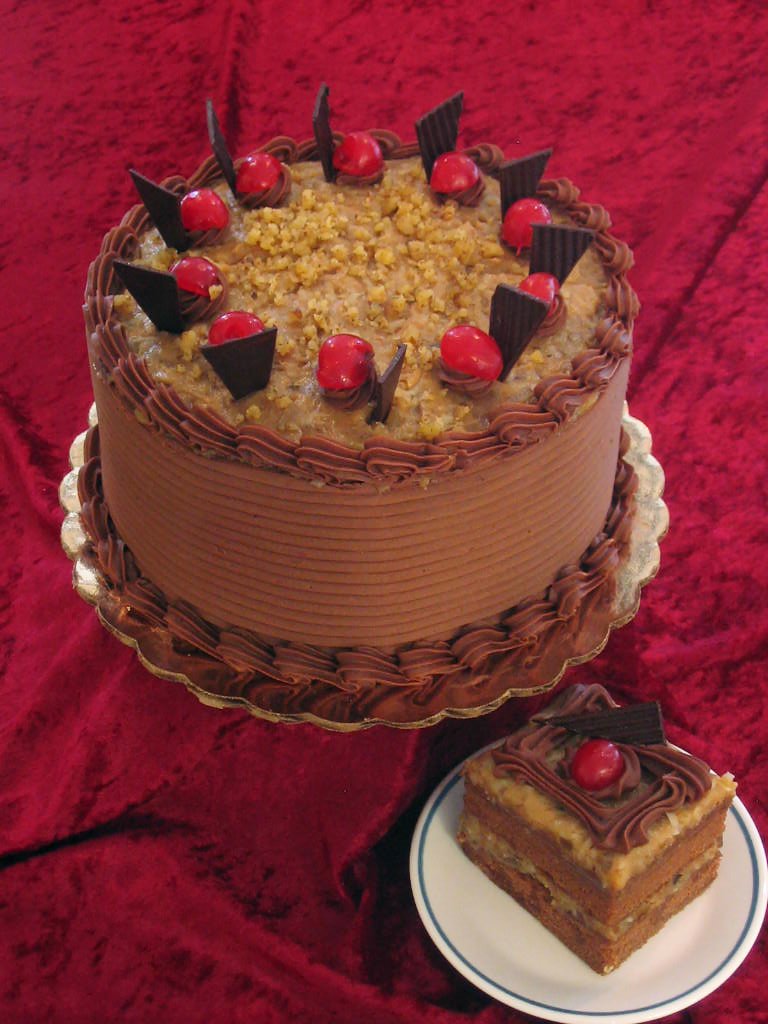
The name German Chocolate Cake often conjures images of quaint European bakeries and centuries-old traditions. Yet, in a delicious twist of fate, this iconic dessert is not from Germany at all! It’s a distinctly American creation, celebrated for its unique flavor profile and irresistible layers. If you've ever wondered how to achieve that truly authentic taste, or why your Best German Chocolate Cake: Moist, Rich, and Perfectly Layered always seems to be a crowd-pleaser, the secret lies not in geography, but in a specific type of chocolate and an expert blend of techniques that result in a profoundly moist, tender, and deeply satisfying treat. Prepare to uncover the true origins and master the nuances of making a show-stopping german chocolate cake that truly lives up to its legendary status.
The Not-So-German Truth: Unpacking the Name
One of the most surprising facts about german chocolate cake is its origin story. Far from the Black Forest or Bavarian villages, this beloved dessert finds its roots firmly planted in American soil. This misconception often leads home bakers astray, thinking they need exotic ingredients or European baking methods. The truth is much simpler, and uniquely American.
Samuel German: The Man Behind the Chocolate
The "German" in german chocolate cake actually refers to a person, not a country. Back in 1852, an American baker named Samuel German developed a special brand of dark baking chocolate for the Baker's Chocolate Company. This particular chocolate, known as "Baker's German's Sweet Chocolate," was a sweeter, less intense variety than typical unsweetened baking chocolate of the time. It was designed to be easily incorporated into recipes, contributing a rich, mellow chocolate flavor without the bitterness often associated with cocoa products. It became a popular ingredient, setting the stage for the cake that would later bear his name.
A Southern Comfort, Not a European Delicacy
The cake as we know it today didn't truly emerge until 1957, when a recipe for "German's Chocolate Cake" was submitted to a Dallas, Texas newspaper. It quickly gained national popularity, thanks in part to the inclusion of Baker's German's Sweet Chocolate. Over time, the apostrophe and 's' were dropped, leading to the common, yet misleading, name "German Chocolate Cake." So, while its chocolate heart belongs to an American innovator, its heritage is more aligned with classic Southern baking traditions than any European pastry shop.
Unlocking Unforgettable Flavor: The Pillars of a Perfect German Chocolate Cake
Achieving an authentic and unbelievably delicious german chocolate cake goes beyond simply following a recipe; it's about understanding the synergy of key ingredients and precise techniques. The goal is a complex chocolate flavor, a moist, velvety crumb, and a filling that perfectly balances sweetness and richness.
The Essential German's Sweet Chocolate
At the heart of any truly authentic german chocolate cake lies Baker's German's Sweet Chocolate. While many modern recipes might suggest substituting semi-sweet chocolate, this is a deviation from tradition and a compromise on flavor. German's Sweet Chocolate provides a distinctive, slightly caramelized chocolate note that is less bold and dark than other varieties. This unique sweetness is crucial for creating the cake's characteristic mellow chocolate flavor, which perfectly complements the rich filling. Using two full packages, as in many classic recipes, ensures this signature taste permeates every bite. For a deeper dive into this essential ingredient, explore Unlock Deep Flavor: The Power of Real German's Sweet Chocolate.
A Symphony of Chocolate: Beyond the Baking Bar
The complexity of flavor in a truly great german chocolate cake doesn't stop with the sweet baking chocolate. It's often enhanced by the strategic inclusion of other chocolate elements. Unsweetened cocoa powder, for instance, deepens the overall chocolate flavor without adding excessive sweetness, creating a beautiful balance. A secret weapon for many expert bakers is the addition of a small amount of Postum or espresso powder. These ingredients don't make the cake taste like coffee; rather, they amplify and enrich the chocolate notes, making them more pronounced and nuanced. It's an expert technique that elevates the chocolate from good to truly extraordinary.
Moisture, Tenderness, and the Secret to a Velvety Crumb
A hallmark of an exceptional german chocolate cake is its unbelievably moist and tender crumb. This isn't achieved by accident, but through a thoughtful combination of ingredients that ensure richness without heaviness. A blend of sour cream, oil, eggs, and buttermilk works wonders. Sour cream and buttermilk contribute acidity and fat, resulting in a tender texture and a moist finish. Oil provides a different kind of moisture than butter, keeping the cake soft and pliable for days. Eggs bind everything together and add richness. When combined with properly measured all-purpose flour (always spoon and level, or weigh, to avoid a dense cake) and fresh leavening agents like baking soda and baking powder, these ingredients create a cake that is soft, velvety, and melts in your mouth.
The Iconic Coconut-Pecan Filling: A Masterpiece of Texture and Taste
While the chocolate cake layers are undeniably delicious, it's the gooey, dreamy coconut-pecan filling that truly defines a german chocolate cake. This isn't just a simple frosting; it's a luscious, chewy component that provides a delightful textural contrast and an explosion of nutty, sweet flavor.
The Magic of Toasting
The difference between a good coconut-pecan filling and an unforgettable one often comes down to one crucial step: toasting. Raw coconut and pecans are fine, but toasting them unlocks an entirely new dimension of flavor. When gently toasted, the natural oils in the nuts and coconut are released, intensifying their nutty notes and adding a subtle, irresistible caramelization. This simple act elevates the filling from merely sweet to deeply flavorful and aromatic, making every bite of your german chocolate cake truly exceptional. Ensure a slow, even toast to prevent burning, which can introduce bitterness.
Crafting the Perfect Consistency
A well-made coconut-pecan filling strikes a perfect balance: it's thick enough to hold the cake layers securely without sliding, yet gooey and chewy enough to be a palate-pleasing delight. This consistency is typically achieved by cooking the ingredients (often including egg yolks, evaporated milk, butter, and sugar) until thickened, then folding in the toasted coconut and pecans. The combination results in a rich, sweet, and incredibly textural layer that perfectly complements the tender chocolate cake. It’s this unique texture that sets the german chocolate cake apart from other layered desserts.
The Icing on the Cake: Beyond the Filling
While the coconut-pecan filling is the star, a truly decadent german chocolate cake often incorporates an additional layer of frosting to enhance the experience and provide balance.
The Silky Chocolate Buttercream Difference
For many, the ultimate german chocolate cake experience includes a silky chocolate buttercream frosting layered between each tier and generously spread around the entire cake. This addition serves multiple purposes. Firstly, it adds another layer of rich, smooth chocolate flavor that is distinct from the cake's primary chocolate notes. Secondly, its creamy, smooth texture provides a beautiful contrast to the chewy, gooey coconut-pecan filling. This interplay of textures—soft cake, chewy filling, and silky buttercream—is what makes each forkful an absolute delight. The buttercream often acts as a perfect counterpoint, preventing the overall dessert from becoming too sweet or too heavy from the filling alone. It truly is the "magic" that completes this incredible dessert.
Tips for German Chocolate Cake Perfection
- Quality Ingredients are Key: Always opt for fresh eggs, good quality butter, and, most importantly, authentic Baker's German's Sweet Chocolate.
- Precision Matters: Baking is a science. Measure your flour using the spoon-and-level method or by weight for the most accurate results, preventing a dense cake.
- Don't Skip Toasting: Toasting your pecans and coconut is a non-negotiable step for unlocking their full flavor potential. Watch them carefully to avoid burning.
- Fresh Leavening: Ensure your baking soda and baking powder are fresh (usually less than 6 months old) to guarantee a properly risen, tender cake.
- Room Temperature Ingredients: For the cake batter and buttercream, make sure dairy and eggs are at room temperature for better emulsion and a smoother batter/frosting.
- Cool Completely: Always allow your cake layers to cool completely before assembling and frosting. Warm cake will cause your filling and buttercream to melt and slide.
- Embrace the Mess: The coconut-pecan filling can be a bit gooey. Don't be afraid to let it be rustic and delicious!
From its surprising American origins to its carefully crafted layers of chocolatey goodness, the german chocolate cake remains a beloved classic for good reason. It’s a testament to how specific ingredients and thoughtful techniques can transform simple components into an extraordinary dessert. Whether you're making it for a special occasion or simply to indulge a craving, understanding the secrets to its authentic flavor and texture will ensure your homemade version is nothing short of spectacular. So go ahead, bake with confidence, and enjoy every moist, nutty, and decadent bite of this truly iconic cake!
